Boris Wertz
string(79) "Early-stage investor - Version One VC. Fmr Co-founder AbeBooks (sold to Amazon)"
Early-stage investor - Version One VC. Fmr Co-founder AbeBooks (sold to Amazon)
One-to-one strategy support.
Live US market immersion.
All with ONE Focus – Help Indian SaaS and AI startups win in the US market.
Pienza Ventures is a Seattle-based early-stage venture fund, founded by Aaron Bird, backed by Version One Capital, MHS Ventures and Cercano Management.
We are BULLISH on India.
We believe the next two decades will see the rise of the Indian startup ecosystem to become one of the best in the world. We want to help build that dream.
A program designed to help Indian founders scale their US GTM journey.
Indian startups need access to mentors and early customers, super fast validation, and local immersion. We provide just that.

We accelerate your access to mentors, design partners and early customers through the Pienza network of mentors.
GTM strategy, hiring, expanding in the US - We provide tailor-made strategic guidance to set up your US GTM. No generic sessions. Just focused guidance.
A trip to the US where we line up conversations, customer intros and close circle events for you to help accelerate your US market familiarity.
Each startup, product and market segment is different. We offer one-to-one support and unlock just the opportunities that you need.

Founding Partner
Founder and CEO, Inflection. Formerly the founder and CEO of Bizible (acq Marketo), SVP of Product @ Marketo and VP of Product at Adobe. Active angel investor with 70+ investments.
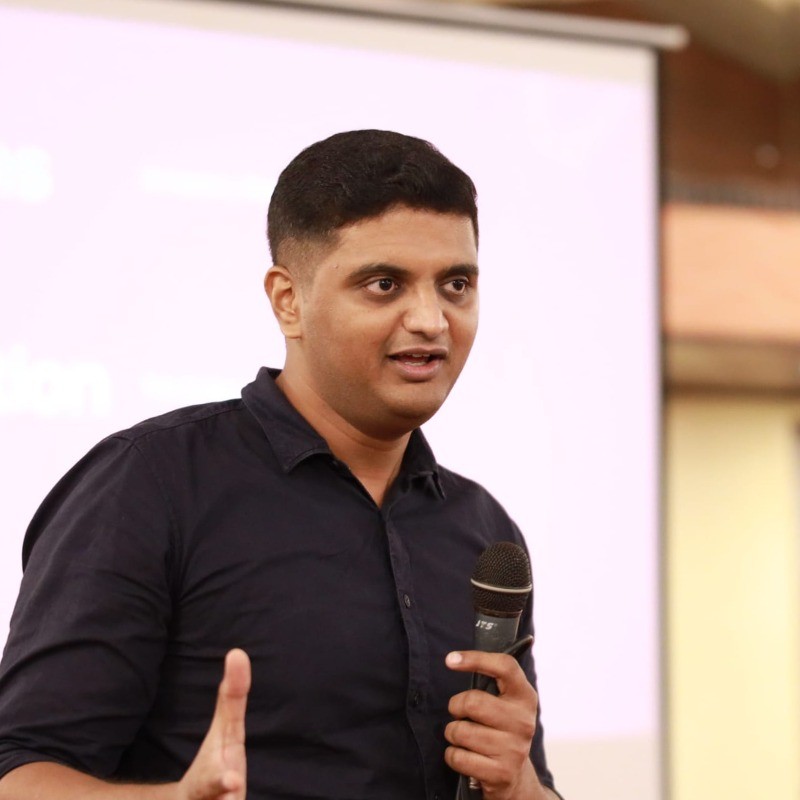
Partner
Two-time founder. Built Profoundis, in the early days of Global SaaS from India, sold to FullContact. Angel investor, active ecosystem player and true believer of Indian startups.
We help you scale your US GTM.
Are you a startup with at least 10 paying customers? Or do you have $500K in ARR? Let’s talk.